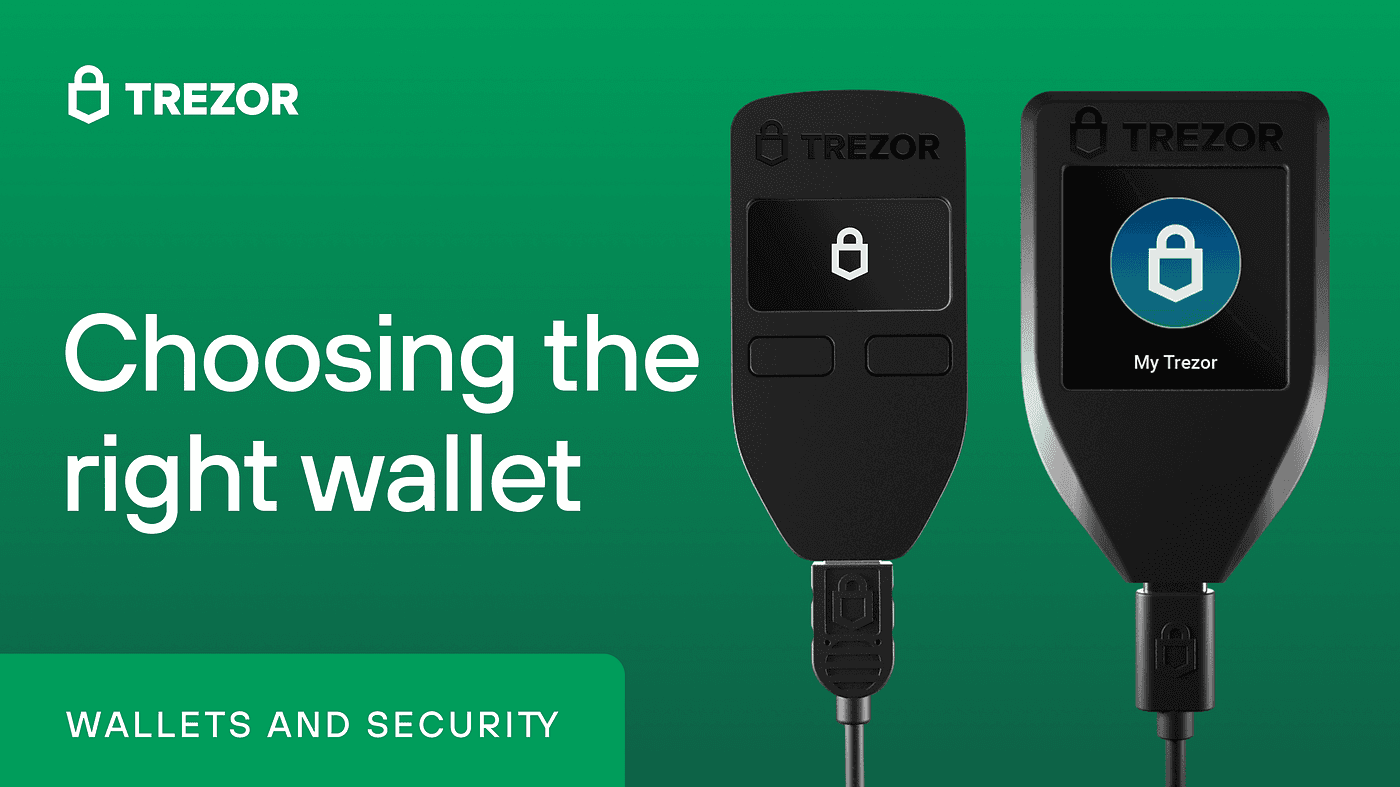
If you own a Trezor hardware wallet (such as the Trezor Model One or Trezor Model T), understanding how it connects to your computer is essential. This is where Trezor Bridge comes in — a small but crucial software component that enables secure communication between your device and the apps you use to manage your crypto assets.
For the official Trezor Bridge download, always visit the trusted link: https://trezor.io/bridge/. This ensures you get the legitimate software and avoid scams or fake downloads.
What Is Trezor Bridge?
Trezor Bridge is a lightweight intermediary application developed by SatoshiLabs, the creators of Trezor. It runs locally on your computer (Windows, macOS, or Linux) and acts as a secure communication layer between your web browser or desktop app and your Trezor hardware wallet.
In simple terms, Bridge ensures your browser or app recognizes and talks to the Trezor device over USB — something modern browsers can’t do consistently on their own for security reasons.
Why Is Trezor Bridge Necessary?
1. Bridges Browser USB Restrictions
Modern browsers often restrict direct USB access for security. Without Bridge, many browsers (especially non‑WebUSB enabled ones like Firefox) cannot detect your Trezor wallet or send commands to it. Bridge acts as the conduit that makes this communication possible.
2. Ensures Secure Communication
Security is the reason hardware wallets exist in the first place. Bridge never sees your private keys or recovery seed. It simply relays commands — such as balance requests or transaction signing instructions — between your browser/app and the hardware device. All sensitive cryptographic operations occur on the Trezor itself.
3. Provides Cross‑Platform Compatibility
Different operating systems handle USB devices differently. Bridge unifies this interaction, offering a consistent experience across Windows, macOS, and Linux. This dramatically reduces connectivity issues and makes setup seamless.
4. Supports Browser and App Integration
Whether you use the Trezor Suite Web or third‑party services that support Trezor (like web wallets or decentralized finance platforms), Bridge allows these interfaces to connect reliably to your hardware wallet.
How Trezor Bridge Works (High‑Level)
Install Bridge from the official page.
Run the Bridge service — it listens on your computer (usually localhost) for requests.
Connect your Trezor device via USB.
Open your browser or Trezor Suite — Bridge enables them to see the device, send commands, and receive responses securely.
Confirm actions on your Trezor (like signing a transaction) — always on the physical device for security.
Best Practices and Trust Signals
✔ Download only from the official Trezor site to avoid malware.
✔ Keep Bridge updated to support new browser versions and security patches.
✔ Verify transactions on the device itself — never rely solely on on‑screen prompts.
✔ Your private keys never leave the Trezor — Bridge only transports encrypted messages.
Conclusion
In the ecosystem of hardware wallets, Trezor Bridge download and installation is a cornerstone for seamless, secure interactions between your hardware wallet and the digital interfaces you use to manage crypto. Without it, most modern browsers and apps would fail to detect or communicate with your Trezor device properly — making Bridge essential for both beginner and advanced users alike.